
|
Getting your Trinity Audio player ready...
|
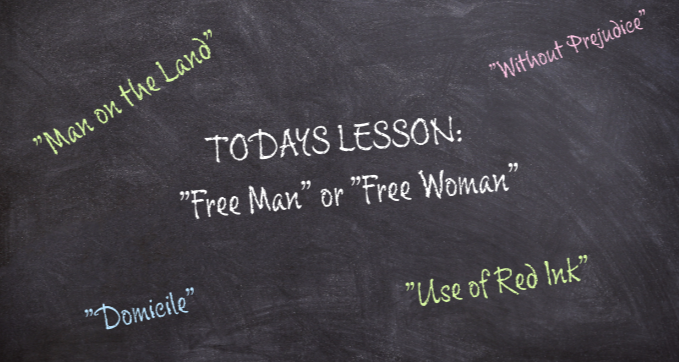
Sovereign citizens frequently use the term “free man” or “free woman” to express their belief that they are not subject to the laws and regulations of the government they reside in. It’s a loaded term that signifies their core ideology.
Here’s a breakdown of why they use it and why it holds no legal weight:
- Sovereign Citizen Belief:
- Sovereign citizens believe they are inherently sovereign individuals, existing outside the social contract of a nation. They view themselves as “free” from government control over their lives.
- Misunderstanding of Legal Status: Sovereign citizens believe “Free Man” signifies they’re not subject to laws or legal obligations [1]. This concept has no basis in reality. Everyone residing in a country is subject to its laws.
- Fabricated Sovereignty: They often claim the title “Free Man” denotes a separate sovereign status, independent of the government and its institutions [1, 2]. This fabricated status holds no legal weight.
- Challenge to Legitimate Authority: Sovereign citizens might use “Free Man” to challenge the authority of law enforcement or the court system, believing it exempts them from following lawful orders [2]. Courts won’t recognize this as a valid defense.
- Historical Misinterpretation: Some sovereign citizens link “Free Man” to historical concepts of freemen, ignoring the vast differences in legal and social contexts [3].
- Goals of Using “Free Man”:
- Challenge Authority: It’s a way to assert their defiance of government authority and legal obligations.
- Identity and Community: Using the term fosters a sense of shared identity and belonging within the sovereign citizen movement.
Reality of Citizenship:
- Everyone living in a country has a legal status with associated rights and responsibilities.
- Following laws is a fundamental aspect of living in a society.
Here’s what to remember:
- Sovereign citizen use of “free man” or “free woman” is a misnomer. It doesn’t reflect any legal reality.
- Everyone is subject to the laws of the country they reside in.
- Sovereign citizens are still subject to the laws of the country they reside in.
- Courts will look past the title “Free Man” and focus on the legal issues at hand.
Citations:
[1] Anti-Defamation League: The Sovereign Citizen Movement [https://www.adl.org/resources/backgrounder/sovereign-citizen-movement-united-states]
[2] Southern Poverty Law Center: Sovereign Citizens [https://www.splcenter.org/fighting-hate/extremist-files/group/moorish-sovereign-citizens]
[3] Stanford University: Stanford Encyclopedia of Philosophy – Legal Positivism [Green, Leslie, and Thomas Adams. “Legal Positivism.” Stanford Encyclopedia of Philosophy, Stanford University, 17 Dec. 2019, [plato.stanford.edu/entries/legal-positivism/]

