
|
Getting your Trinity Audio player ready...
|
UNRESOLVED HOMICIDE: RITA HESTER (1998)
COLD CASE REVIEW
| Report ID: | BOSTON-HOMICIDE-1998-RH-01 |
| Date of Report: | September 27, 2025 |
| Subject: | Homicide of Rita Hester (Unsolved) |
1. EXECUTIVE SUMMARY
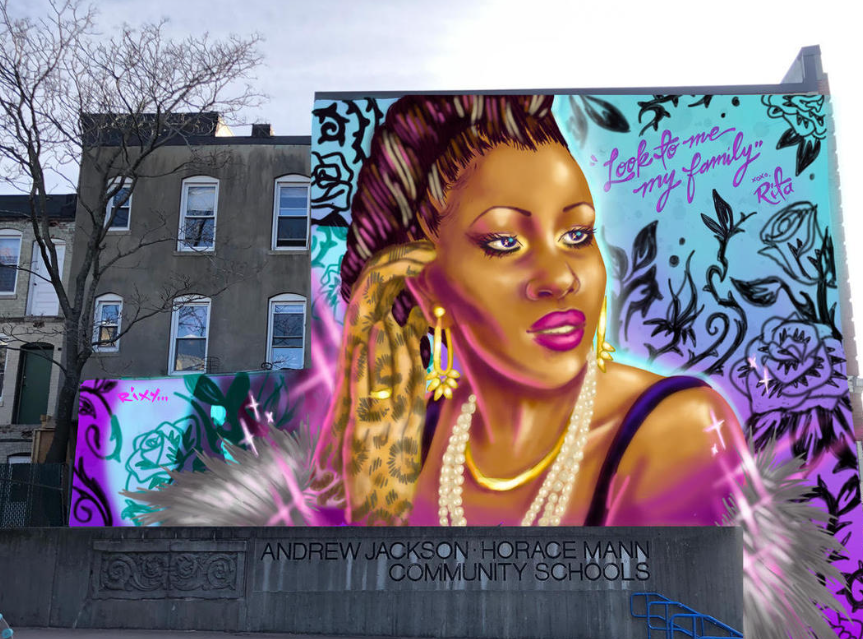
The homicide of Rita Hester, a 34-year-old Black transgender woman, occurred on November 28, 1998, in her first-floor apartment on Park Vale Avenue in the Allston neighborhood of Boston, Massachusetts. The victim sustained approximately 20 stab wounds, indicative of a brutal and highly personal attack. The case remains unsolved with no known suspect identified or arrested to date. Key factors in the initial investigation included no sign of forced entry and no theft, suggesting the victim may have known her attacker. The victim was well-known in Boston’s local community, and her murder inspired the creation of the annual Transgender Day of Remembrance (TDoR).
2. VICTIMOLOGY
| Name: | Rita Hester |
| Race/Ethnicity: | Black / African American |
| Age at Death: | 34 |
| Date of Birth: | March 22, 1964 |
| Date of Death: | November 28, 1998 |
| Location of Death: | First-floor apartment, Park Vale Avenue, Allston, MA |
| Vitals (Reported): | 6’2″ height; 200 pounds (approx.) |
| Contextual Information: | Transgender woman; known to frequent local clubs/bars (e.g., Silhouette Cocktail Lounge, Jacque’s Cabaret); described as well-liked, bright, and popular. |
3. CRIME SCENE AND MODUS OPERANDI (M.O.)
A. Timeline of Events (Approximate):
- Before 5:00 PM: Victim left the Silhouette Cocktail Lounge on Brighton Avenue, a short walk from her residence.
- 5:00 PM – 6:00 PM (Estimated): Attack occurred in the victim’s apartment.
- A Little After 6:00 PM: A neighbor called police after hearing a cry for help from the apartment.
- Post-Discovery: Victim died shortly after arriving at the hospital due to cardiac arrest resulting from the injuries.
B. Cause and Manner of Death:
- Method: Multiple sharp-force trauma (stab wounds), reported as approximately 20 stab wounds to the chest.
- Manner: Homicide.
C. Crime Scene Indicators:
- Entry/Exit: No evidence of forced entry, suggesting the victim willingly admitted the attacker or the attacker possessed a key.
- Theft: Nothing was reported stolen from the residence.
- Overkill/Severity: The high number of stab wounds suggests an act of frenzied damage, which behavioral analysis often links to strong personal, emotional, or psychological motivation on the part of the killer. Some reporting suggests this level of violence may indicate shame or emotional turmoil on the killer’s part, which is a common feature in many murders of transgender women.
- Prostitution Context: The victim had reportedly placed an escort ad and had two arrests on prostitution charges in 1993, raising the possibility of a client as a suspect.
4. SUSPECT STATUS AND LEADS
- Status: Unsolved/Open.
- Known Suspects: No arrests have been made.
- Initial Theories/Suspect Leads:
- Personal Acquaintance: Lack of forced entry strongly suggests the victim knew the killer.
- Client/Patron: The victim’s reported sex work history suggests a potential link to an agitated or violent client.
- Disappeared Boyfriend: Friends and family reportedly suspected a mysterious boyfriend who vanished after the killing.
- Note: The Boston Police Department (BPD) has publicly recommitted to solving the case in recent years.
5. RECOMMENDATIONS FOR COLD CASE REVIEW
- Forensic Re-Examination: Identify and submit all available physical evidence from the original crime scene (e.g., clothing, bedding, weapons, surfaces) for contemporary DNA and forensic testing, particularly any biological material that may have been collected.
- Timeline and Witness Re-Interview: Conduct a meticulous review of the master timeline, focusing on the hours between the victim leaving the Silhouette and the neighbor’s 911 call. Re-interview original witnesses (neighbors, friends, family, known acquaintances, and clients) to identify any new or overlooked details using modern interviewing techniques.
- Cross-Jurisdictional Case Linkage: Re-analyze the case in the context of other unsolved homicides of Black transgender women in the Boston area during the late 1990s, specifically referencing the murder of Monique Thomas in Dorchester two months prior, to determine any potential serial connection or shared M.O.

