
|
Getting your Trinity Audio player ready...
|
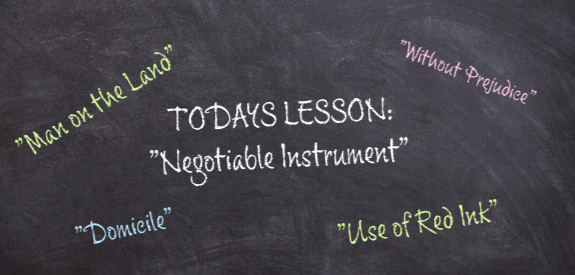
Sovereign citizens often misuse the term “negotiable instrument” as part of their misguided legal theories.
A negotiable instrument is a formal document, such as a check or promissory note, that represents a specific sum of money and can be transferred to another party. This is a well-established legal concept.
However, sovereign citizens distort this concept. They believe that birth certificates are negotiable instruments. This is completely false. A birth certificate is a government-issued record, not a financial document.
They feel that they can create their own negotiable instruments to create fraudulent financial instruments, such as “promissory notes” or “bonds,” to avoid paying taxes, debts, or other obligations.
These actions are illegal and have no legal standing. Sovereign citizens’ misuse of the term “negotiable instrument” is part of a broader strategy to challenge government authority and avoid legal responsibilities.
Here are some common examples:
Financial Instruments:
- Strawman theory: This is the core belief that the government creates a legal fiction (strawman) at birth, represented by the all-caps name on the birth certificate. They believe this entity owes money to the government, and they can somehow exploit this to eliminate their own debts.
- Redemption theory: This involves complex financial schemes, often involving UCC-1 financing statements, to claim ownership of federal reserve notes and eliminate debts.
- Bogus checks: Sovereign citizens might create fraudulent checks drawn on fictitious accounts or government funds.
Legal Documents:
- Fictitious legal filings: These include false liens, UCC-1 filings, and other legal documents to harass individuals or businesses.
- Fake identification: Sovereign citizens might create fake driver’s licenses, passports, or other identification to avoid law enforcement or other legal obligations.
- Bogus court orders: They may create fake court orders or legal judgments to intimidate or defraud others.
Other Fraudulent Activities:
- Tax evasion: Sovereign citizens often refuse to pay taxes, claiming they are not subject to government authority.
- Mortgage fraud: They might attempt to claim ownership of properties through fraudulent means.
- Identity theft: In some cases, sovereign citizens engage in identity theft to further their schemes.
It’s important to note that these are just some examples, and the specific tactics used by sovereign citizens can vary widely. These fraudulent activities not only harm individuals but also undermine the legal system and pose a threat to public safety.

