
|
Getting your Trinity Audio player ready...
|
Be-Lo Murders (Triple Homicide)
| Field | Detail |
| Case Name | Be-Lo Murders (Triple Homicide) |
| Date of Incident | Sunday, June 6, 1993 |
| Time of Incident | Approximately 6:15 p.m. (Post-Closing) |
| Jurisdiction | Windsor Police Department / Bertie County Sheriff’s Office / NCSBI (Northeastern District) |
1. EXECUTIVE SUMMARY
The Be-Lo Murders involved the triple homicide of grocery store employees following a post-closing armed robbery. Six victims were bound with duct tape, stacked into piles, and subjected to execution-style violence. The crime is characterized by an extreme level of overkill and depersonalization, far exceeding the force required to complete the robbery (approximately $3,000 stolen). The offender demonstrated pre-planning (hiding inside the store, use of specialized binding materials) and potential coordination with an accomplice/getaway driver. Due to the brutality and method, the case remains a high priority for resolution, with a substantial reward ($30,000) currently active.
2. INCIDENT SYNOPSIS AND VICTIM STATUS
| Event | Details |
| Location | Be-Lo Grocery Store, Windsor, Bertie County, NC. |
| Method of Entry | Suspect hid inside the store until closing time. |
| Victim Count | Six (6) total employees. |
| Attack Method | Victims were bound using gray duct tape, stacked into piles, and systematically shot or stabbed. |
| Homicides | 3 Fatalities: Grover Lee “Bud” Cecil Jr. (Store Manager, 48), Joyce Coburn Reason (Clerk, 36), and Johnnie Rankins (Cleaner, 48). |
| Survivors | 3 Survivors (one shot, one stabbed, one unharmed). Survivors provide critical witness testimony. |
| Weaponry | Firearm (used in four assaults, three fatal) and edged weapon (used in one assault). |
| Motive | Robbery (estimated $3,000 in cash), highly indicative of expressive violence beyond mere instrumental robbery. |
3. OFFENDER CHARACTERISTICS AND METHOD OF OPERATION (M.O.)
Based on witness accounts, physical evidence, and FBI psychological profiling (as suggested in historical records):
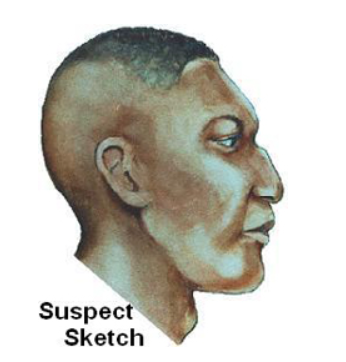
- Suspect Description: Black male, medium complexion, estimated 30–35 years old (in 1993), slender, solid build, military-style haircut, light brown slanted eyes, and a narrow nose bridge (possible sports injury).
- Skill/Planning: The offender displayed competency in controlling multiple victims and using materials (duct tape, possible dog leashes in a similar prior incident) for binding. The act of hiding and waiting for closing demonstrates premeditation.
- Escalation/Signature: The stacking of victims and subsequent execution-style attacks are indicative of a severe level of rage, sadism, or a desire to guarantee the elimination of all witnesses. This goes beyond the normal scope of armed robbery and may represent an offender signature.
- Potential Accomplice: The assumption that the offender had a getaway driver needs continuous investigation, as this person holds key, unutilized testimony.
- Prior/Related Incidents: Historical investigation noted a similar robbery incident at another Be-Lo store in Hertford shortly before the Windsor crime, where employees were also bound with duct tape/leashes. This suggests a pattern of behavior and location familiarity.
4. ANALYTICAL CONCLUSIONS AND RECOMMENDATIONS
The key to solving this cold case lies in the physical evidence and the narrow profile established through witness and M.O. analysis.
- Forensic Re-analysis of Physical Evidence: The gray duct tape used for binding and any remaining shell casings/ballistics evidence must be re-submitted for the most current forensic processing, specifically for Touch DNA. The time lapse since the original crime significantly enhances the viability of advanced DNA analysis, including possible submission for Investigative Genetic Genealogy (IGG) screening, provided appropriate warrants and ethical review are conducted.
- Suspect Database Comparison: The detailed physical description, especially the “light brown slanted eyes” and “narrow nose bridge (possible sports injury),” should be used to re-query all local, state, and federal criminal databases (NCIC, etc.) for persons of interest whose physical profiles align with the witness accounts.
- Witness Re-Evaluation & Interview: The three survivors, particularly the one unharmed, are the most crucial witnesses. Conduct modern, trauma-informed cognitive interviews to attempt to recall new environmental details (smells, specific sounds, any subtle verbal cues) that may have been suppressed.
- Pursue Confession Lead: Dedicate resources to investigating the FBI profile’s suggestion that the offender likely confessed to a romantic partner. This involves renewed investigation into known associates of suspects who fit the description, focusing on non-offender relationships from the 1993–1996 timeframe.
Recommendation: The Be-Lo Murders warrant immediate allocation of resources for a comprehensive genomic sequencing review of the duct tape evidence, followed by a dedicated task force to run the IGG lead in collaboration with the SBI Cold Case Team.

